
Planning a trip to Sapa and wondering what to do? From mountain trekking and spectacular rice terraces to Fansipan, traditional villages and scenic mountain roads, Sapa offers some of the most memorable experiences in Northern Vietnam. Located in the mountains of Lao Cai Province, Sapa is very different from Hanoi, Halong Bay or Hoi An. Here, the scenery is dominated by high mountains, deep valleys, terraced fields and small communities based across the hillsides.
For first-time visitors, 2-3 days in Sapa is usually enough to experience the highlights without rushing. But the best Sapa itinerary depends on what you enjoy most - trekking, photography, culture, nature or simply escaping the busy cities.
Here are 10 of the best things to do in Sapa, Vietnam.
Quick Answer: What Are the Best Things to Do in Sapa?
If you only have limited time, I recommend prioritizing:
- Visit Fansipan Mountain
- Trek through Muong Hoa Valley
- Explore Lao Chai and Ta Van villages
- Visit Cat Cat Village
- See Sapa's famous rice terraces
- Explore Sapa town and the Stone Church
- Take a scenic drive along O Quy Ho Pass
- Visit Silver Waterfall
- Try local Sapa food
- Stay in a local homestay or mountain retreat
You don't have to visit every attraction. In my experience, the best Sapa trip combines two or three major sights with time to enjoy the mountain scenery and local atmosphere.
1. Take the Cable Car to Fansipan Mountain
One of the first experiences I'd recommend to visitors is Fansipan.
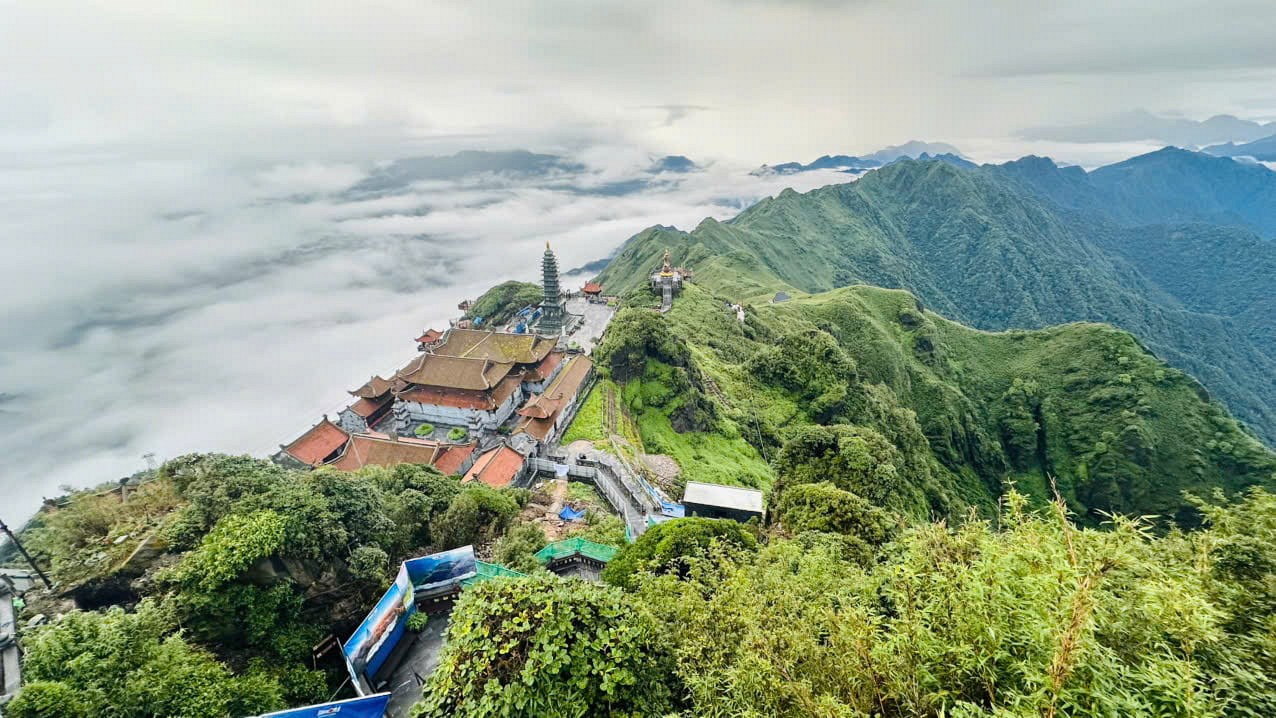
At 3,143 metres above sea level, Fansipan is Vietnam's highest mountain. Thanks to the cable car, you don't need to be an experienced hiker to experience the summit.
The journey itself is part of the attraction. As the cable car climbs above the valley, the landscape changes from Sapa's town and surrounding villages to forested mountains and spectacular mountain scenery.
At the summit, weather conditions can make a huge difference. On a clear day, you may enjoy extensive mountain views. When clouds move in, the atmosphere becomes completely different, with mist surrounding the mountain.
There is also a spiritual complex around the upper section of Fansipan, making the visit more than simply a viewpoint.
My tip
Check the mountain weather before visiting Fansipan. Conditions at the summit can be completely different from the weather in Sapa town.
If you have only two days in Sapa, choose the clearest available morning for Fansipan if possible.
2. Trek Through Muong Hoa Valley
If you're visiting Sapa because of its spectacular landscapes, Muong Hoa Valley trekking should be high on your list. The valley stretches through a beautiful mountainous area southeast of Sapa. Terraced rice fields cover the hillsides, while small villages and streams can be found throughout the valley. What I like most about trekking here is that the experience isn't simply about reaching a viewpoint. You walk through the landscape itself.
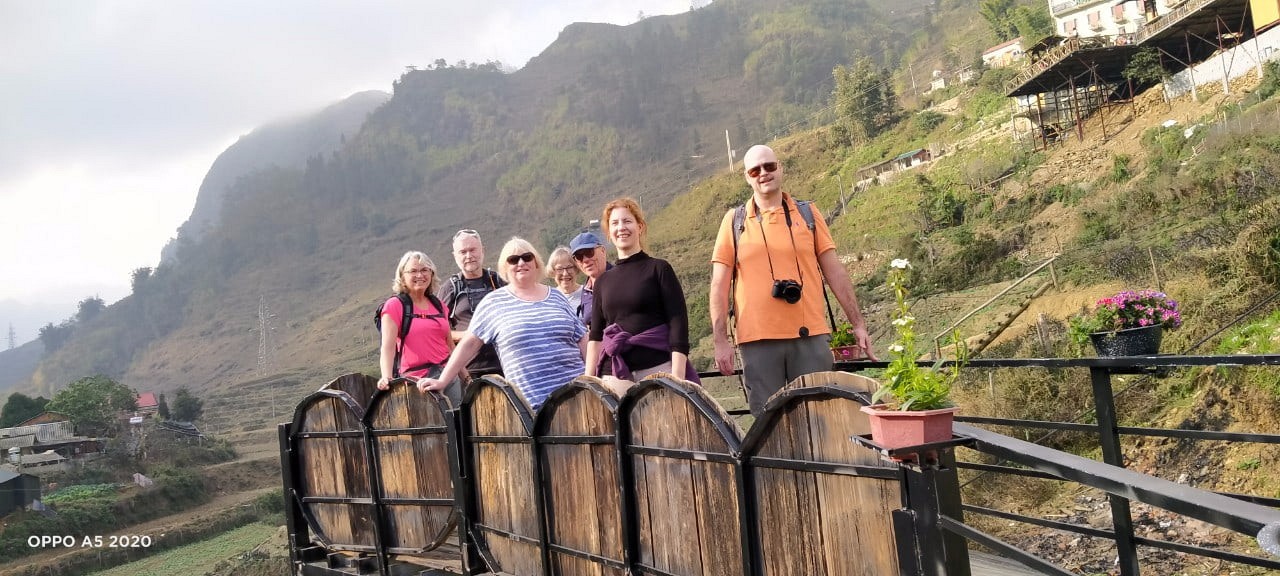
Depending on the route, you may see:
- Farmers working in the rice fields
- Water buffalo
- Traditional houses
- Small mountain paths
- Rice terraces
- Local children walking between villages
- Mountains disappearing into clouds
There are trekking routes suitable for different fitness levels, so don't assume that visiting Sapa means committing to a difficult hike.
Should you hire a guide?
For a short walk, independent travelers may feel comfortable exploring on their own. However, for longer village treks, I strongly recommend a local guide. A guide can adjust the route according to your fitness level and help you understand what you're seeing rather than simply walking from one location to another.
3. Visit Lao Chai and Ta Van Villages
For travelers who want more than scenery, Lao Chai and Ta Van are among the most interesting places to explore around Sapa. Located in the Muong Hoa Valley, these villages offer opportunities to see rural life and learn more about the communities living in the mountains. The experience is intentionally slower. You might spend several hours walking between villages, stopping for photographs, watching farmers work and enjoying the surrounding rice terraces.
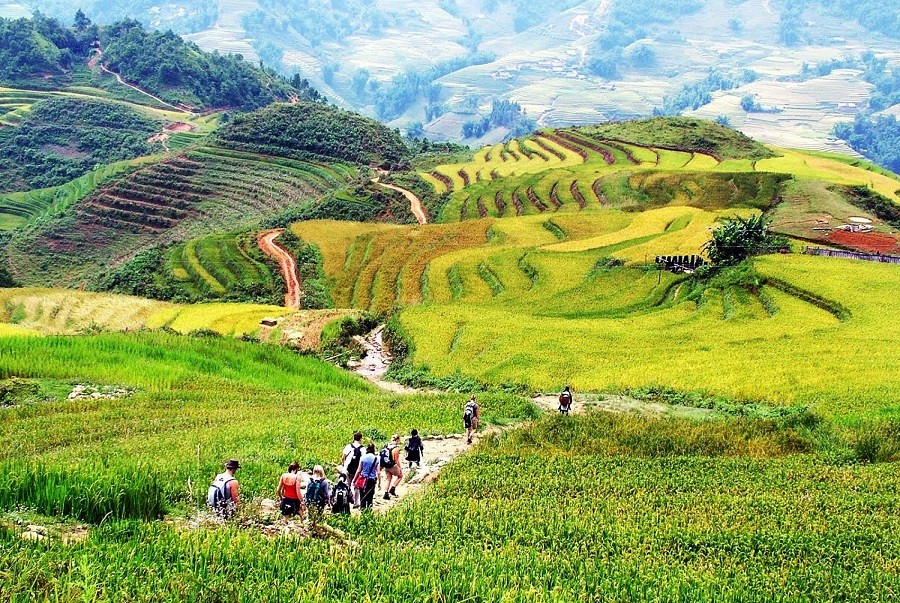
Ta Van is also a popular area for Sapa homestays. Staying overnight outside Sapa town allows you to experience a quieter side of the region. You can enjoy dinner with your hosts, wake up among the mountains and start the next morning without having to travel far to begin a trek.
Who will enjoy this most?
I'd particularly recommend Lao Chai and Ta Van for:
- Couples
- Photographers
- Families with older children
- Nature lovers
- Travelers interested in local culture
- Visitors who prefer slower travel
4. Explore Cat Cat Village
Cat Cat Village is one of the easiest cultural excursions from Sapa. Its location near Sapa town makes it particularly convenient for travelers who don't have enough time for a longer trek. The route takes you through a mountain village environment with traditional houses, local handicrafts, small shops, streams and waterfalls. However, there is something important to understand before visiting.
Cat Cat is a popular tourist attraction. If you're expecting a completely untouched rural village, you may find it more developed than anticipated. But that doesn't mean it's not worth visiting. For first-time visitors, Cat Cat can be a convenient introduction to the culture and landscape of the Sapa region. If you have more time and want a quieter experience, I'd combine it with a trek around Muong Hoa Valley or spend more time in Ta Van.
5. See the Sapa Rice Terraces
You can't talk about things to do in Sapa without mentioning the rice terraces. The terraces are one of the most recognizable landscapes in Northern Vietnam. They climb the mountain slopes in layers, creating completely different scenery throughout the year. The appearance of the fields depends on the farming calendar.
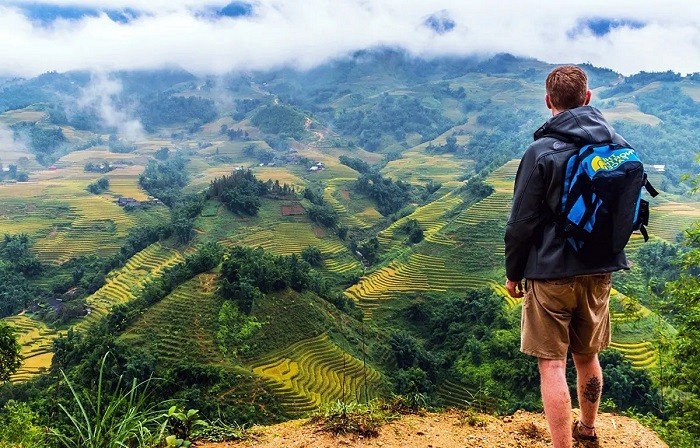
Around May and June: Many terraces are filled with water before or during planting. The fields can reflect the sky and surrounding mountains.
July and August: The rice plants become increasingly green, creating lush mountain landscapes.
September and October: Many areas begin turning golden as the rice approaches harvest. The exact timing varies from village to village and from year to year, so don't expect every rice terrace to look identical on a specific date.
Local tip
If Sapa rice terraces are the main reason for your visit, allow some flexibility in your itinerary. Weather and local farming schedules can affect what you'll see.
Vietnam’s Most Beautiful Rice Terraces: Where to Go
6. Explore Sapa Town and the Stone Church
Don't spend your entire Sapa trip outside town. Take some time to explore the centre, especially the area around Sapa Stone Church and the main square. The town has a mixture of cafés, restaurants, hotels, local shops and markets. It can be quite lively, especially during weekends and public holidays. I particularly enjoy Sapa early in the morning, when the streets are quieter and the mountain atmosphere is more noticeable. Later in the day, you can return to town after trekking and enjoy a coffee, explore local food or simply take a break.
A good idea for rainy weather
If the weather isn't suitable for trekking, Sapa town can easily fill a few hours with cafés, food, shopping and cultural experiences.
7. Take a Scenic Drive Along O Quy Ho Pass
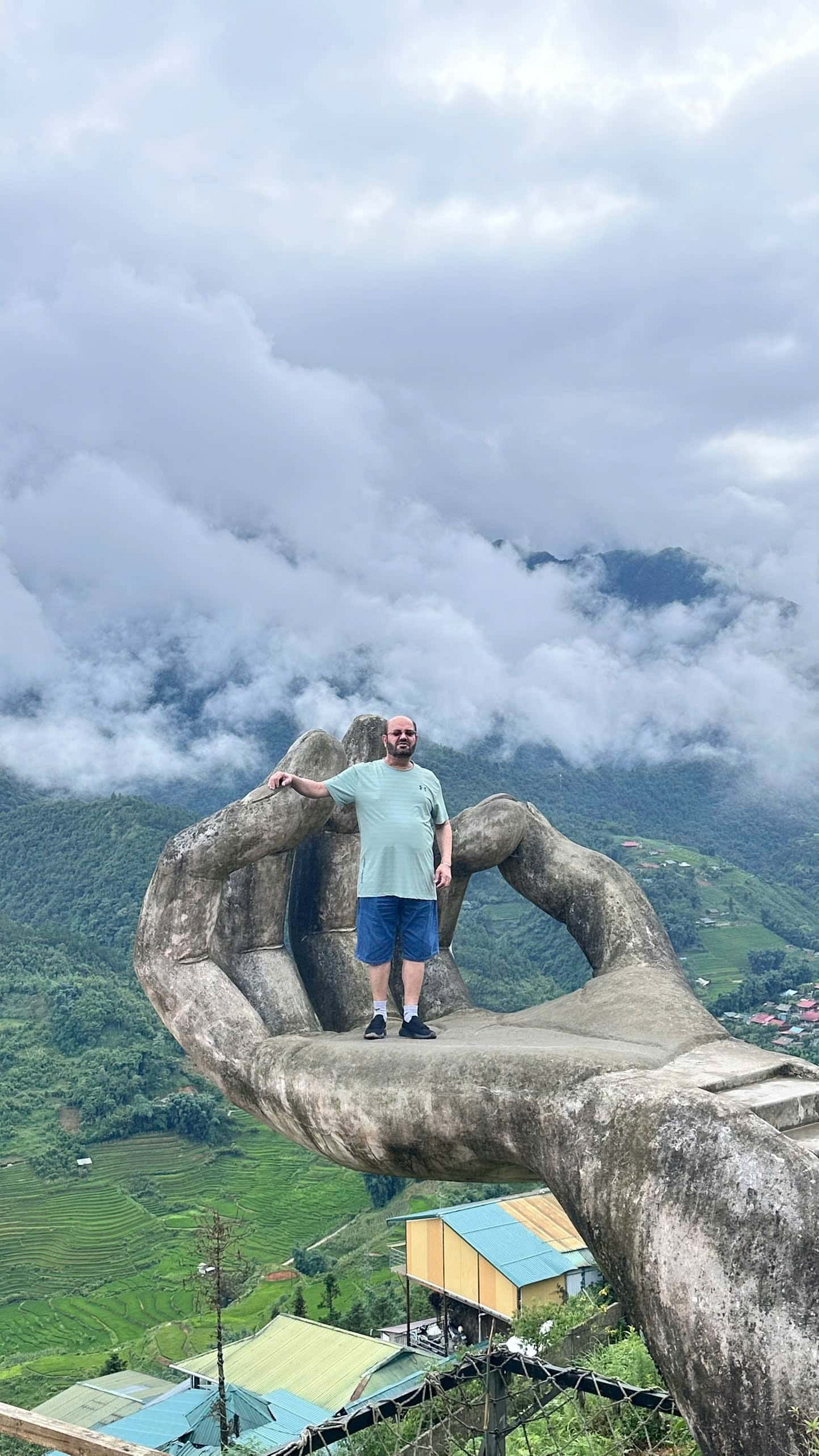
For dramatic mountain scenery without spending the whole day trekking, consider a trip along O Quy Ho Pass. The road climbs high into the Hoang Lien Son mountains and provides some impressive viewpoints when weather conditions are favorable. The scenery can change quickly. You may have clear views across the mountains in one minute and find yourself surrounded by clouds shortly afterward. That's part of the character of travelling through the northern mountains. A private car is particularly convenient if you're traveling with family or prefer to stop whenever you find an interesting viewpoint.
Combine O Quy Ho Pass with:
- Silver Waterfall
- Love Waterfall
- Fansipan
- Mountain viewpoints
- Local cafés
This makes a good half-day or full-day excursion depending on your pace.
8. Visit Silver Waterfall
Located outside Sapa on the route toward O Quy Ho Pass, Silver Waterfall is another easy addition to your itinerary. The waterfall drops dramatically down the mountainside and is surrounded by the forests of the Hoang Lien Son range. You don't need to spend several hours here. For most travelers, a short visit is enough to enjoy the scenery and take photographs. That's why I usually recommend combining Silver Waterfall with other attractions in the same direction rather than making a separate trip just for the waterfall.
What to bring
Wear shoes with good grip, especially if the steps are wet. And if you're visiting during a period of frequent rain, bring a lightweight rain jacket.
9. Try Local Food in Sapa
Traveling isn't just about seeing places. Food is part of the Sapa experience, particularly if you're interested in understanding the region beyond its scenery. The cooler mountain climate makes hot meals particularly enjoyable. Restaurants and local eateries offer a mixture of Vietnamese dishes and regional specialties.
Depending on the season and restaurant, you may find:
- Fresh mountain vegetables
- Grilled meats
- Local trout
- Smoked buffalo meat
- Hotpot
- Corn-based dishes
- Seasonal local ingredients
If you're staying at a homestay, ask whether your hosts can prepare a traditional dinner. A simple meal shared with a local family can often be more memorable than eating in another restaurant in the town centre.
10. Stay in a Sapa Homestay or Mountain Retreat
My final recommendation is not really an attraction. It's an experience. Don't try to fill every hour of your Sapa itinerary. Consider spending one night outside the town centre, particularly around Ta Van or another mountain village. Imagine waking up to rice terraces instead of traffic, having breakfast while looking across the valley and starting your trek directly from the village. For travelers who prefer comfort, there are also boutique hotels and mountain retreats where you can enjoy panoramic views without giving up modern facilities.
The best option depends on your travel style
- For cultural immersion: choose a local homestay.
- For couples: consider a boutique mountain retreat.
- For families: choose comfortable accommodation with easy access to sightseeing.
- For trekkers: stay closer to the villages and trails you want to explore.
How Many Days Do You Need in Sapa?
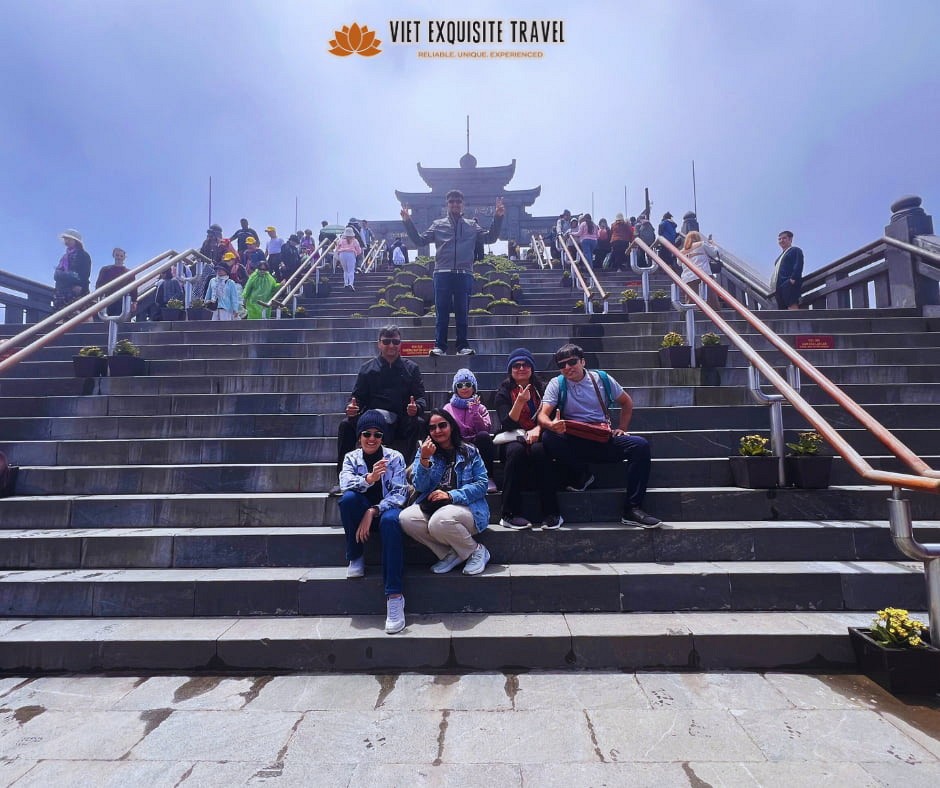
For most first-time visitors, I recommend 2 nights and 3 days in Sapa.
Here's an example of a comfortable itinerary:
Day 1: Hanoi → Sapa
Travel from Hanoi to Sapa, check in and explore the town.
Day 2: Fansipan + Muong Hoa Valley
Visit Fansipan in the morning, then enjoy a village trek through Muong Hoa Valley, Lao Chai or Ta Van.
Day 3: Sapa Countryside
Visit Cat Cat Village or take a scenic excursion to Silver Waterfall and O Quy Ho Pass before continuing your journey.
If trekking is your main reason for visiting, 3 nights would be even better.
Is Sapa Worth Visiting?
Yes - especially if you want to see a different side of Vietnam.
Hanoi offers history and city life. Halong Bay offers limestone islands and the sea. Hoi An offers heritage architecture and a slower riverside atmosphere. Sapa brings something completely different: mountains + rice terraces + trekking + local culture.
That's why I often recommend Sapa to travelers who have enough time for a longer Northern Vietnam itinerary.
However, Sapa isn't for everyone.
If you don't enjoy mountain roads, hiking or unpredictable weather, Ninh Binh may be a better alternative.
If you're deciding between the two, you may also want to read our guide on Ninh Binh or Halong Bay: Do You Need Both? and consider how each destination fits into your overall Vietnam itinerary.
Best Time to Visit Sapa
The best time to visit Sapa depends on what you want to experience.
- March - May: Spring brings comfortable conditions and greener mountain scenery. It's a good period for trekking and exploring villages.
- June - August: The rice terraces are lush and green, although summer also brings more rain.
- September - October: This is one of the most popular periods for travelers interested in Sapa rice terraces, particularly around harvest time.
- November - February: The weather becomes much cooler, especially at higher elevations. Misty and cloudy days are common, creating a completely different atmosphere.
If you're traveling during winter, bring warm layers. Sapa can feel surprisingly cold compared with Hanoi or Central and Southern Vietnam.
How to Add Sapa to Your Vietnam Itinerary
Sapa works particularly well in a Northern Vietnam itinerary.
For example:
Hanoi → Sapa → Hanoi → Halong Bay → Ninh Binh → Hoi An
However, don't try to squeeze too many destinations into a short trip. If you have around 10 days in Vietnam, you'll need to decide which experiences matter most to you.
For first-time visitors, our 10-Day Vietnam Itinerary for First-Time Visitors provides a useful starting point. If you're interested in combining Sapa with Halong Bay, Ninh Binh and Central Vietnam, a private tailor-made itinerary can also give you more flexibility.
Frequently Asked Questions About Sapa
1. What is Sapa best known for?
Sapa is best known for its dramatic mountain landscapes, terraced rice fields, trekking routes, Fansipan Mountain and the distinctive cultures of communities living in the surrounding highlands.
2. How many days do you need in Sapa?
For most first-time visitors, 2 nights and 3 days is ideal. Travelers who enjoy trekking may prefer 3 nights or longer.
3. Is Sapa worth visiting for first-time visitors to Vietnam?
Yes. Sapa offers a very different experience from Vietnam's cities and coastal destinations, making it a good choice for travelers who enjoy nature, mountains and cultural experiences.
4. Do I need a guide for trekking in Sapa?
For longer village treks, a local guide is highly recommended. A good guide can choose a route appropriate for your fitness level and provide useful context about local life and culture.
5. Is Sapa suitable for families?
Yes. Families can enjoy Fansipan by cable car, gentle village walks and scenic drives. More demanding trekking routes may not be suitable for younger children.
6. Can I visit Sapa and Halong Bay on the same trip?
Absolutely. Sapa and Halong Bay offer completely different landscapes and experiences. Combining them is an excellent way to experience both the mountains and the coast of Northern Vietnam.
Final Thoughts: What Makes Sapa Special?
The best things to do in Sapa, Vietnam aren't simply about visiting ten attractions. What makes Sapa special is the combination of mountains, rice terraces, village life and time spent outdoors.
If you're visiting for the first time, I'd prioritize Fansipan, Muong Hoa Valley, a village trek around Lao Chai or Ta Van, and time to simply enjoy the scenery. Then add Cat Cat, Silver Waterfall or O Quy Ho Pass according to your interests and available time.
And don't be afraid to slow down. Sometimes the most memorable moment in Sapa isn't another viewpoint or attraction. It might be a quiet breakfast overlooking the valley, a conversation with a local guide or watching clouds move through the mountains.
Planning your Vietnam adventure? Explore our Vietnam itineraries or contact Viet Exquisite Travel to create a private, tailor-made journey around your interests, travel pace and budget.
-
NEWER NEWS
- Sapa vs Ninh Binh: Which Should You Visit on Your Vietnam Trip? 31/08/2026
- Private vs Group Tours in Vietnam 08/09/2026
- Private Family Tours in Vietnam: Are They Worth It? 19/09/2026
- Phu Quoc or Da Nang: Which Is Better for Your Vietnam Beach Holiday? 28/09/2026 OLDER NEWS
- 5 must-try Hanoi dishes 24/05/2024
- The best ways to explore the ancient town of Hoi An 24/05/2024
- Awesome Things to Do in Luang Prabang Old Town 24/05/2024
- Some churches in Ha Noi Vietnam that you should pay a visit to 24/05/2024
- Northern Vietnam becomes a white paradise with ban flowers 24/05/2024